Check which debts are fixed or variable, and ask your lender when any revised payment starts.
THE SOURCED NEWS
What changed on 5 November
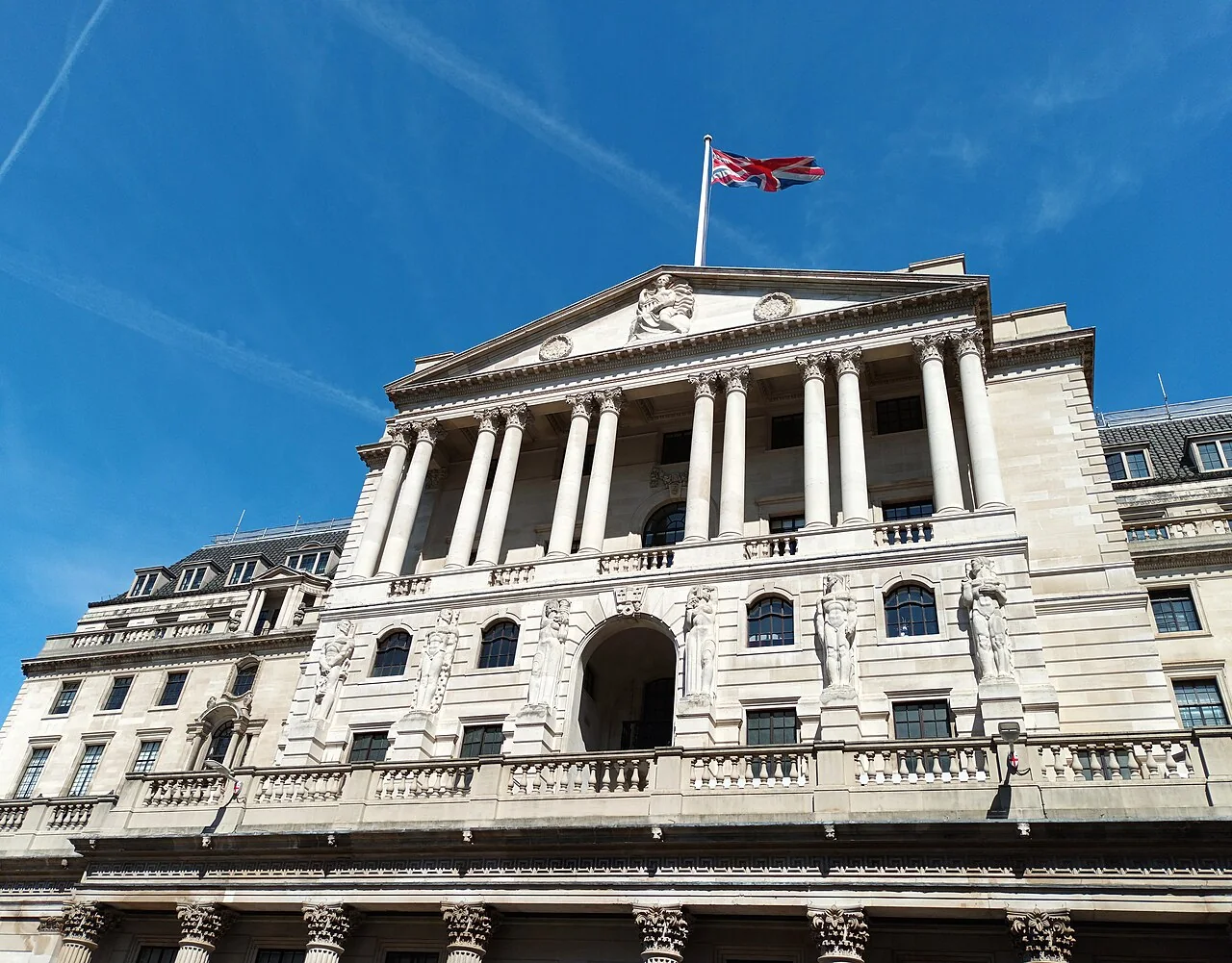
The Bank of England raised Bank Rate from 3.75% to 4%. Eight Monetary Policy Committee members backed the quarter-point rise at the meeting that ended on 4 November. One preferred a larger increase. The Bank pointed to the inflation pressure from higher energy costs and said future decisions would depend on the evidence.
Bank Rate is a benchmark, so a rise does not mean every business will see the same change on its next bill. A loan linked directly to Bank Rate may respond differently from a fixed-rate facility or borrowing priced at the lender’s discretion.
SELLERBUNDLE PRACTICAL ANALYSIS
SellerBundle: check the next three months
List each loan, overdraft or equipment finance payment and note the rate, balance and next review date. Read the contract or ask your lender whether the payment will change and when. If a £20,000 balance stayed flat and its annual rate rose by exactly a quarter point, that alone would add about £50 in interest over a year. Actual payments can differ with fees, repayments and lender terms.
Put confirmed changes into your weekly cash forecast, alongside stock payments and expected marketplace payouts. If you need extra stock for the holidays, check which week cash is tightest before you commit to a larger order.
GO TO THE ORIGINAL
Check the sources.
Bank of England: November Monetary Policy Summary and minutes ↗
Published 5 Nov 2026
This is an original SellerBundle explanation with practical editorial suggestions. Check current official terms and suitability before changing your business processes.